Best 1080p Projector: 4 Native Full HD Picks
A native 1080p projector is still the sweet spot for a lot of rooms. It costs much less than 4K,...
 By Brandon Russell
Updated November 24, 2026
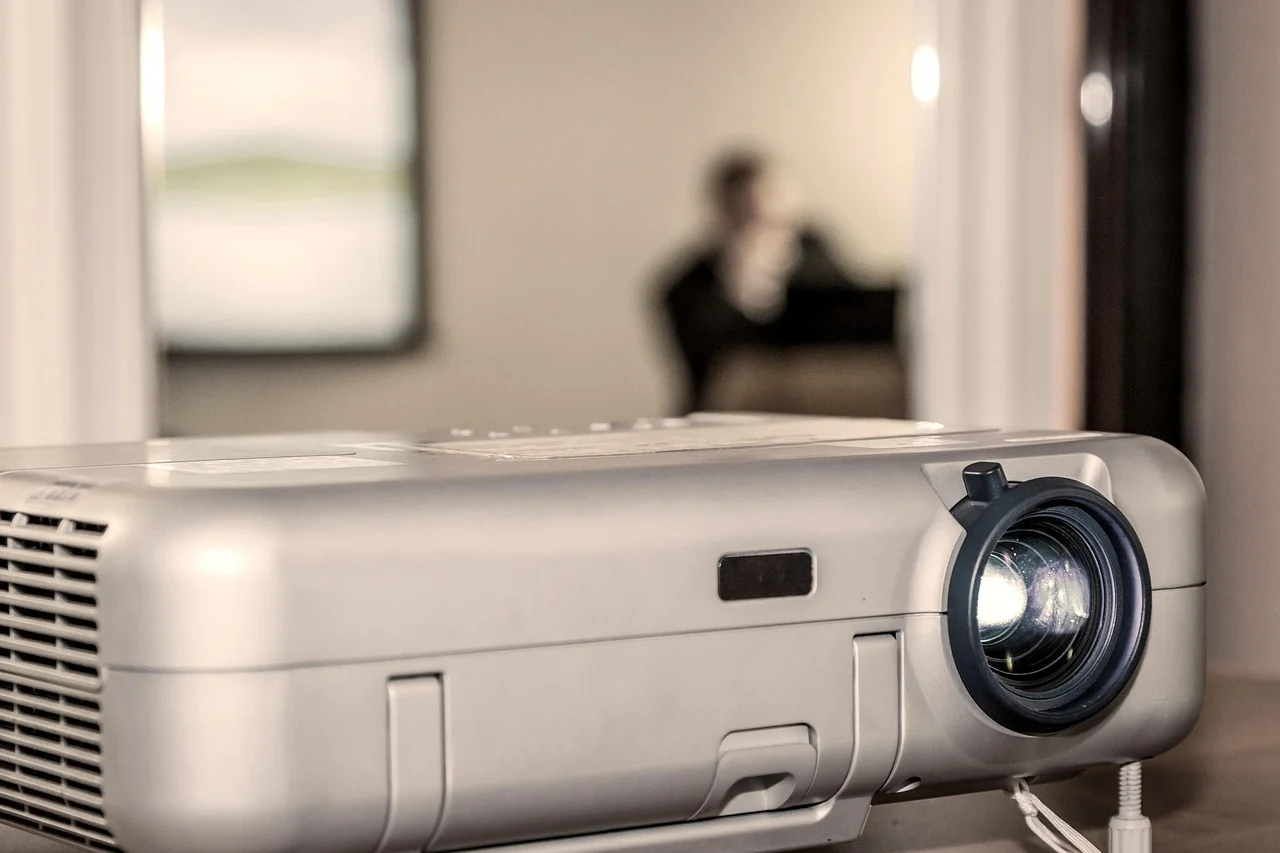
A native 1080p projector is still the sweet spot for a lot of rooms. It costs much less than 4K, many models are far brighter at the same price, and at moderate screen sizes 1080p still looks sharp. The key is “native”: many cheap projectors accept a 1080p signal but display it at a lower resolution.
We compared native 1080p projectors from established brands using manufacturer specifications and rated each one with the same five weighted criteria. All four picks have a published brightness standard and true 1920 x 1080 output.
Safety note: lamp-based projectors run hot. Let the lamp cool fully before replacing it, follow the manufacturer’s instructions, and never look directly into the lens.
Our Top Picks
| Best for | Product | PJC Score About PJC ScorePJC Score (out of 10) is our editorial rating from five weighted criteria, based on manufacturer specifications. See how we score. | |
|---|---|---|---|
| Best overall |
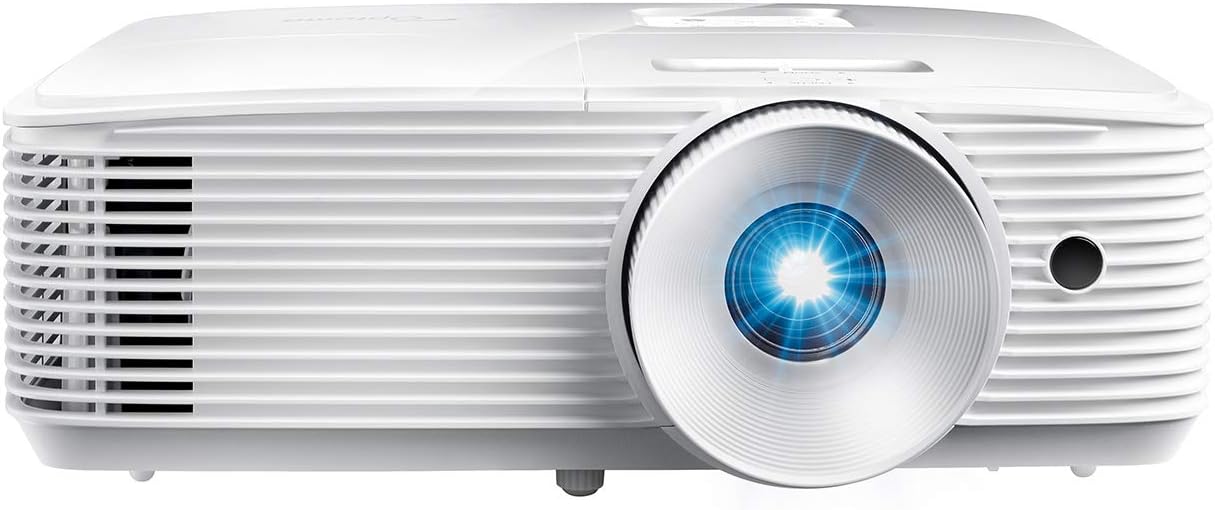 Optoma HD28HDR |
6.8/10 | Check Price |
| Brightest |
 Optoma HD30LV |
6.7/10 | Check Price |
| Best with streaming |
 BenQ TH575i |
6.6/10 | Check Price |
| Best 3LCD picture |
 Epson Home Cinema 980 |
6.5/10 | Check Price |
The Picks in Detail
Optoma HD28HDR
Why it made the list: The HD28HDR pairs a high ANSI brightness rating with HDR input support, 120 Hz support, and one of the lowest published input lag figures among 1080p projectors. It is a well-rounded choice for movies, sports, and console gaming.
Key specs: 3,600 ANSI lumens (Optoma rating); native 1080p; 50,000:1 contrast (Optoma rating); input lag of about 8.4 ms in Enhanced Gaming Mode at 1080p 120 Hz and 17 ms at 1080p 60 Hz (Optoma rating); 120 Hz support; HDR input; lamp rated for 15,000 hours in Dynamic mode.
Skip it if: You want streaming apps built in. The BenQ TH575i includes a Google TV dongle.
Pros
- Low stated input lag at 120 Hz.
- High ANSI brightness rating.
- Long rated lamp life in Dynamic mode.
Cons
- Optoma’s documents list different lamp life figures for Bright mode.
- No built-in streaming.
- HDR is accepted as input, but the display is 1080p.
Optoma HD30LV
Why it made the list: The HD30LV has the highest brightness rating among the 1080p projectors we compared, which makes it a strong fit for rooms that cannot be fully darkened. It also lists low input lag and 4K and HDR input compatibility.
Key specs: 4,500 lumens (Optoma rating); native 1080p; input lag of 8.4 ms (Optoma rating); accepts 4K and HDR signals; lamp rated for 4,000 hours in Bright mode, 15,000 in Dynamic, and 10,000 in Eco.
Skip it if: Your room is fully dark and you want the best color. The Epson Home Cinema 980 uses 3LCD.
Pros
- Brightest rating in this guide.
- Low stated input lag.
- Accepts 4K and HDR sources.
Cons
- Brightness is not tied to a stated standard in the sheet we found.
- Shortest lamp life in Bright mode.
- No built-in streaming.
BenQ TH575i
Why it made the list: The TH575i is the only pick here with streaming in the box, through an included Google TV dongle. It adds a 3,800 ANSI lumen rating and a published 16.7 ms input lag.
Key specs: 3,800 ANSI lumens (BenQ rating); native 1920 x 1080; lamp light source; 1.1x zoom; auto vertical keystone; 16.7 ms input lag at 1080p 60 Hz (BenQ rating); 10 W speaker; Google TV dongle.
Skip it if: Competitive gaming is the priority. The Optoma HD28HDR lists lower input lag.
Pros
- Streaming included.
- High ANSI brightness rating.
- Auto vertical keystone for quick setup.
Cons
- Higher input lag than the Optoma picks.
- Replacement lamp warranty is short in the US.
- Limited zoom range.
Epson Home Cinema 980
Why it made the list: The Home Cinema 980 uses Epson’s 3-chip 3LCD engine with equal color and white brightness ratings. Epson says the design avoids the rainbow effect some viewers see on single-chip DLP projectors, which can matter for sensitive viewers.
Key specs: 4,000 lumens color brightness (IDMS) and white brightness (ISO); 1080p 3LCD; two HDMI inputs; USB power for a streaming stick; built-in speaker; image up to 300 inches.
Skip it if: You game often. The Optoma models publish much lower input lag.
Pros
- 3LCD design with matched color and white brightness.
- High brightness rating.
- Powers a streaming stick over USB.
Cons
- No published input lag.
- No built-in streaming.
- Epson’s listing omits lamp life and throw ratio.
1080p Projectors Compared
| Projector | Rated brightness | Imaging | Stated input lag | Streaming | Lamp life (longest mode) |
|---|---|---|---|---|---|
| Optoma HD28HDR | 3,600 ANSI lumens | DLP | About 8.4 ms (1080p 120 Hz) | Not stated | 15,000 hr (Dynamic) |
| Optoma HD30LV | 4,500 lumens | DLP | 8.4 ms | Not stated | 15,000 hr (Dynamic) |
| BenQ TH575i | 3,800 ANSI lumens | DLP | 16.7 ms (1080p 60 Hz) | Google TV dongle | Not stated |
| Epson Home Cinema 980 | 4,000 lumens (ISO white, IDMS color) | 3LCD | Not stated | Not stated | Not stated |
How We Picked
We compared native 1080p projectors from established brands with published brightness ratings, and favored models that list input lag and lamp life. Every pick was assessed from manufacturer documentation, not our own measurements, and rated with the PJC Score. Our budget projector guide covers more 1080p options at lower prices.
How to Choose a 1080p Projector
Confirm native resolution
Look for “native 1080p” or 1920 x 1080 in the specifications. “1080p supported” usually means the projector downscales the signal.
Brightness for your room
1080p projectors are often brighter than 4K models at the same price. If your room has windows or lights on, prioritize a high ANSI or ISO rating.
Gaming and refresh rate
For consoles, look for 120 Hz support and published input lag at that refresh rate.
DLP or 3LCD
Single-chip DLP projectors can show brief color fringing (the rainbow effect) to some viewers. 3LCD projectors avoid it, according to Epson.
FAQ
Is 1080p good enough for a projector?
Yes, for screens up to around 100 to 120 inches at typical seating distances. 4K detail is more noticeable on larger screens or closer seating.
Can a 1080p projector play 4K content?
Several picks here accept 4K signals and display them at 1080p. You will not get 4K detail, but you can connect 4K sources.
What is the rainbow effect?
Some people see brief flashes of color on single-chip DLP projectors during fast motion or high-contrast scenes. Not everyone notices it.
Final Thoughts
The Optoma HD28HDR is our top native 1080p projector for its balance of brightness, HDR input, and low input lag. The Optoma HD30LV is the brightest, the BenQ TH575i adds streaming, and the Epson Home Cinema 980 is the 3LCD choice.
About the author
Brandon Russell writes projector reviews and buying guides for ProjectorChannel. He compares projectors, screens, and accessories using manufacturer specifications and documentation, and focuses on the trade-offs that matter in a real room.