Best 4K Projector: 5 Picks From Pixel Shift to Native 4K
“4K” on a projector box can mean several things. A few projectors use native 4K panels. Most use pixel shifting...
 By Brandon Russell
Updated November 24, 2026
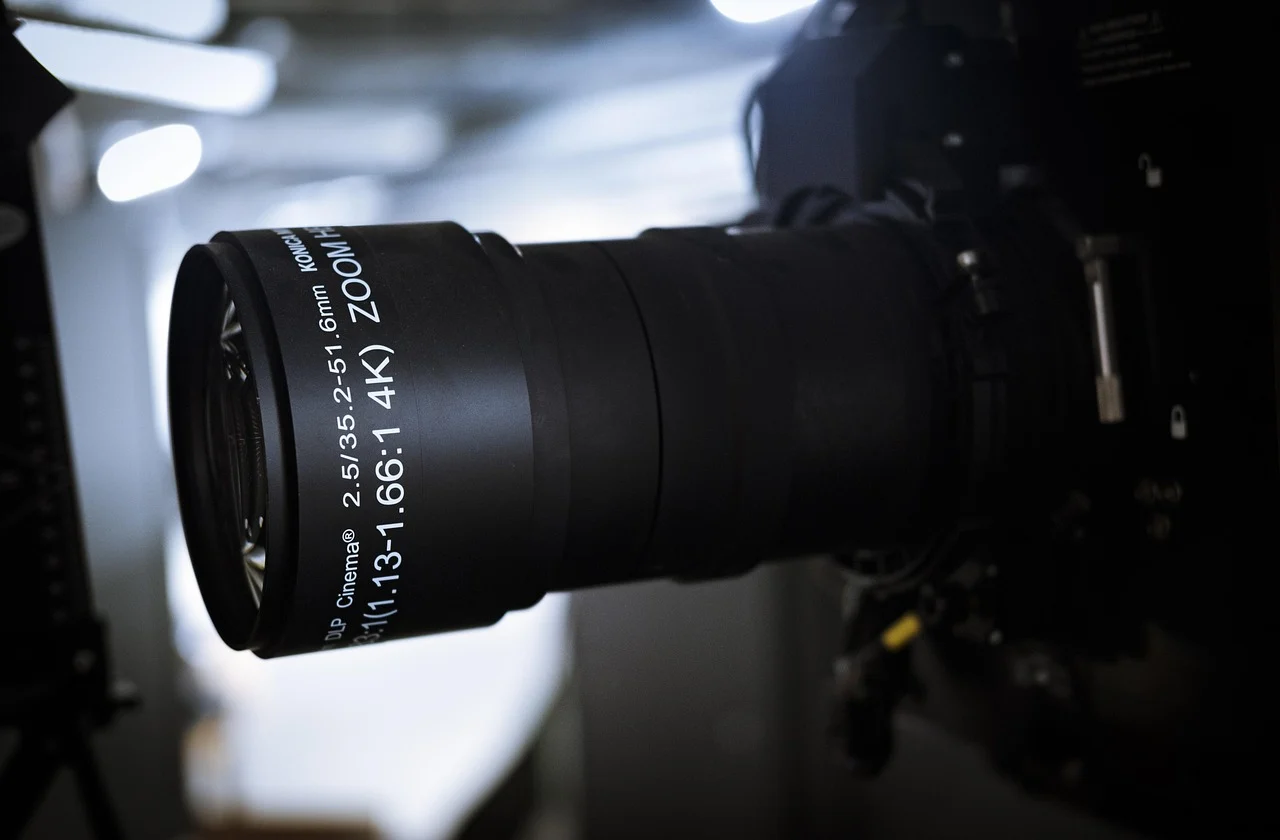
“4K” on a projector box can mean several things. A few projectors use native 4K panels. Most use pixel shifting or resolution enhancement to put a 3840 x 2160 image on the screen from a lower-resolution chip. Both approaches can look excellent, but they differ in price, sharpness, and how honestly they are labeled.
We compared current 4K projectors from established brands using manufacturer specifications and rated each one with the same five weighted criteria. Our picks cover a laser all-rounder, a 3LCD value pick, a flexible smart projector, a Google TV model, and a native 4K option for dedicated rooms.
Safety note: never look directly into a projector lens while it is on, especially with laser models. Use a ceiling mount rated for your projector’s weight, and follow the manufacturer’s instructions for lamp replacement.
Our Top Picks
| Best for | Product | PJC Score About PJC ScorePJC Score (out of 10) is our editorial rating from five weighted criteria, based on manufacturer specifications. See how we score. | |
|---|---|---|---|
| Best overall |
 Valerion VisionMaster Pro2 |
7.9/10 | Check Price |
| Best 3LCD 4K |
 Epson Home Cinema 3800 |
7.4/10 | Check Price |
| Best for flexible placement |
 Hisense C3 |
7.4/10 | Check Price |
| Best with Google TV |
 Dangbei DBOX02 Pro |
7.3/10 | Check Price |
| Best native 4K |
 Sony VPL-XW5000ES |
7.8/10 | Check Price |
The Picks in Detail
Valerion VisionMaster Pro2
Why it made the list: The VisionMaster Pro2 pairs an RGB triple laser light source with a 4K UHD picture, a wide color gamut rating, optical zoom, and active 3D support. It is a long-throw projector that works on a shelf or a ceiling mount, and its brightness rating suits both dedicated rooms and living rooms with some light control.
Key specs: 3,000 ISO lumens (Valerion rating); 3840 x 2160; RGB triple laser rated for 25,000+ hours; optical zoom; 110% Rec.2020 color (Valerion rating); active 3D; HDR support; image up to 300 inches.
Skip it if: You want a lamp-based projector with manual lens shift for less. The Epson Home Cinema 3800 is the value alternative.
Pros
- Triple laser light source with a long rated life.
- Optical zoom for flexible placement.
- Active 3D support, increasingly rare on new 4K projectors.
Cons
- Lens shift is listed only for a higher-end Max model, not this one.
- Sold under both the Valerion and AWOL Valerion names, so check the exact model when buying.
- Premium price tier for a long-throw projector.
Epson Home Cinema 3800
Why it made the list: The Home Cinema 3800 has one of the most flexible lenses in its class, with wide manual lens shift and a 1.62x zoom, plus 3LCD color, 3D support, and a strong brightness rating. It is easy to install in a room where the projector cannot sit dead center.
Key specs: 3,000 lumens color brightness (IDMS) and white brightness (ISO); 4K PRO-UHD, Epson’s resolution enhancement technology; manual lens shift of ±60% vertical and ±24% horizontal; 1.62x zoom with a 1.32 to 2.15 throw ratio; 40 to 300 inch image; active 3D with RF glasses (sold separately); lamp rated for about 3,500 hours in High, 4,000 in Medium, and 5,000 in ECO mode.
Skip it if: You want a laser light source with no lamp changes. The Valerion VisionMaster Pro2 or Hisense C3 fit better.
Pros
- Wide lens shift and zoom range for easy installation.
- 3LCD design with equal color and white brightness.
- 3D support with RF glasses.
Cons
- Lamp-based, so budget for replacement lamps.
- Epson does not publish an input lag figure for this model.
- No built-in streaming platform.
Hisense C3
Why it made the list: The C3 is a compact triple laser projector on a built-in gimbal that rotates horizontally and tilts vertically, so it can point at a wall, a screen, or the ceiling without a mount. It adds Dolby Vision, IMAX Enhanced certification, and JBL speakers.
Key specs: 2,500 ANSI lumens (Hisense rating); 4K UHD; triple RGB laser; 110% BT.2020 color (Hisense rating); gimbal with 360-degree horizontal and 135-degree vertical movement; optical and digital zoom; 65 to 300 inch image; Dolby Vision; IMAX Enhanced; JBL speakers.
Skip it if: You are building a dedicated theater with a ceiling mount. The Epson Home Cinema 3800 or Sony VPL-XW5000ES are designed for that.
Pros
- Gimbal stand makes placement simple, including ceiling projection.
- Triple laser light source with a wide color gamut rating.
- Built-in speakers and smart features in one unit.
Cons
- Hisense does not publish a zoom ratio for the base C3.
- Hisense’s spec sheet does not state a native panel resolution.
- Brighter C3 Pro and C3 Ultra models exist, which can confuse shopping.
Dangbei DBOX02 Pro
Why it made the list: The DBOX02 Pro brings a 4K laser projector, a gimbal stand, and Google TV with licensed Netflix together, so there is nothing else to buy for streaming. Auto keystone and autofocus make setup quick.
Key specs: 2,000 ISO lumens (Dangbei rating); 3840 x 2160; laser light source; 40 to 300 inch image; 108% Rec.709 color (Dangbei rating); built-in gimbal; Google TV with Netflix; HDR10+; Dolby Audio; 3D ready; auto keystone and focus.
Skip it if: You need maximum brightness for a lighter room. The Valerion VisionMaster Pro2 is rated much brighter.
Pros
- Google TV with licensed Netflix built in.
- Gimbal stand and automatic setup.
- Laser light source with 3D support.
Cons
- Lowest brightness rating in this guide.
- Dangbei sells a similarly named DBOX02 with different specs, so check the model name.
- Color rating is given against Rec.709 rather than a wider standard.
Sony VPL-XW5000ES
Why it made the list: The VPL-XW5000ES is the only native 4K projector in this guide, with SXRD panels that have a full 3840 x 2160 pixels and a laser light source. For a dark, dedicated theater, native 4K remains the reference.
Key specs: Native 4K 0.61-inch SXRD panels; 2,000 lumens (Sony rating); laser rated for up to 20,000 hours; 95% DCI-P3 color (Sony rating); manual zoom of about 1.6x with manual lens shift; input lag under 21 ms at 4K 60 Hz (Sony rating).
Skip it if: Your room is bright or your budget is limited. The Valerion or Epson deliver more brightness for less.
Pros
- True native 4K panels.
- Laser light source with no lamp changes.
- Low stated input lag for a theater projector.
Cons
- Highest price tier in this guide.
- Manual lens controls, with no lens memories.
- No built-in streaming.
4K Projectors Compared
| Projector | How 4K is described | Rated brightness | Light source | Zoom | 3D |
|---|---|---|---|---|---|
| Valerion VisionMaster Pro2 | 3840 x 2160 | 3,000 ISO lumens | RGB triple laser | Optical | Yes |
| Epson Home Cinema 3800 | 4K PRO-UHD (enhancement) | 3,000 lumens (ISO white, IDMS color) | Lamp | Manual 1.62x | Yes (RF) |
| Hisense C3 | 4K UHD | 2,500 ANSI lumens | RGB triple laser | Optical and digital | Not stated |
| Dangbei DBOX02 Pro | 3840 x 2160 | 2,000 ISO lumens | Laser | Not stated | 3D ready |
| Sony VPL-XW5000ES | Native 4K SXRD | 2,000 lumens | Laser | Manual about 1.6x | Not stated |
How We Picked
We compared 4K projectors from established brands that publish a brightness standard and describe how they produce a 4K image. Where a manufacturer’s pages conflict or omit a figure, we say so. Every pick was assessed from manufacturer documentation, not our own measurements, and rated with the PJC Score.
How to Choose a 4K Projector
Native 4K versus pixel shifting
Native 4K projectors use panels with a full 3840 x 2160 pixels. Pixel-shifting and enhancement designs use lower-resolution chips and shift the image rapidly to display 4K detail. Native 4K costs more; well-implemented pixel shifting can still look sharp at normal seating distances.
Brightness and HDR
HDR content benefits from brightness headroom. Compare ISO or ANSI lumen ratings rather than unqualified numbers, and remember that a dark room makes any projector look better.
Placement tools
Optical zoom and lens shift let you place the projector off-center without digital correction. Gimbal stands are an alternative for smart projectors that sit on furniture. Our short throw guides cover projectors for tight spaces.
Laser or lamp
Laser light sources are rated for far longer life and need no lamp changes. Lamp models usually cost less up front.
FAQ
Is a 4K projector worth it over 1080p?
On large screens, 4K detail is visible from typical seating distances, and most new streaming and disc content is mastered in 4K with HDR. For smaller images or budgets, a good 1080p projector is still a fine choice; see our 1080p projector guides.
What does “4K support” mean?
It usually means the projector accepts a 4K signal but displays it at a lower native resolution. The picks in this guide output a 4K image.
Do 4K projectors support 3D?
Some do. In this guide, the Valerion VisionMaster Pro2 and Epson Home Cinema 3800 list 3D support, and the Dangbei DBOX02 Pro is listed as 3D ready.
Final Thoughts
The Valerion VisionMaster Pro2 is our top 4K pick for its triple laser light source, brightness rating, and zoom. The Epson Home Cinema 3800 is the best value for flexible installation, the Hisense C3 and Dangbei DBOX02 Pro suit smart, mount-free setups, and the Sony VPL-XW5000ES is the choice for native 4K in a dedicated room.
About the author
Brandon Russell writes projector reviews and buying guides for ProjectorChannel. He compares projectors, screens, and accessories using manufacturer specifications and documentation, and focuses on the trade-offs that matter in a real room.