Projector vs TV: Which Is Right for Your Room?
Short answer: a projector gives you a much bigger picture for the money and can disappear when you are not...
 By Brandon Russell
Updated November 24, 2026
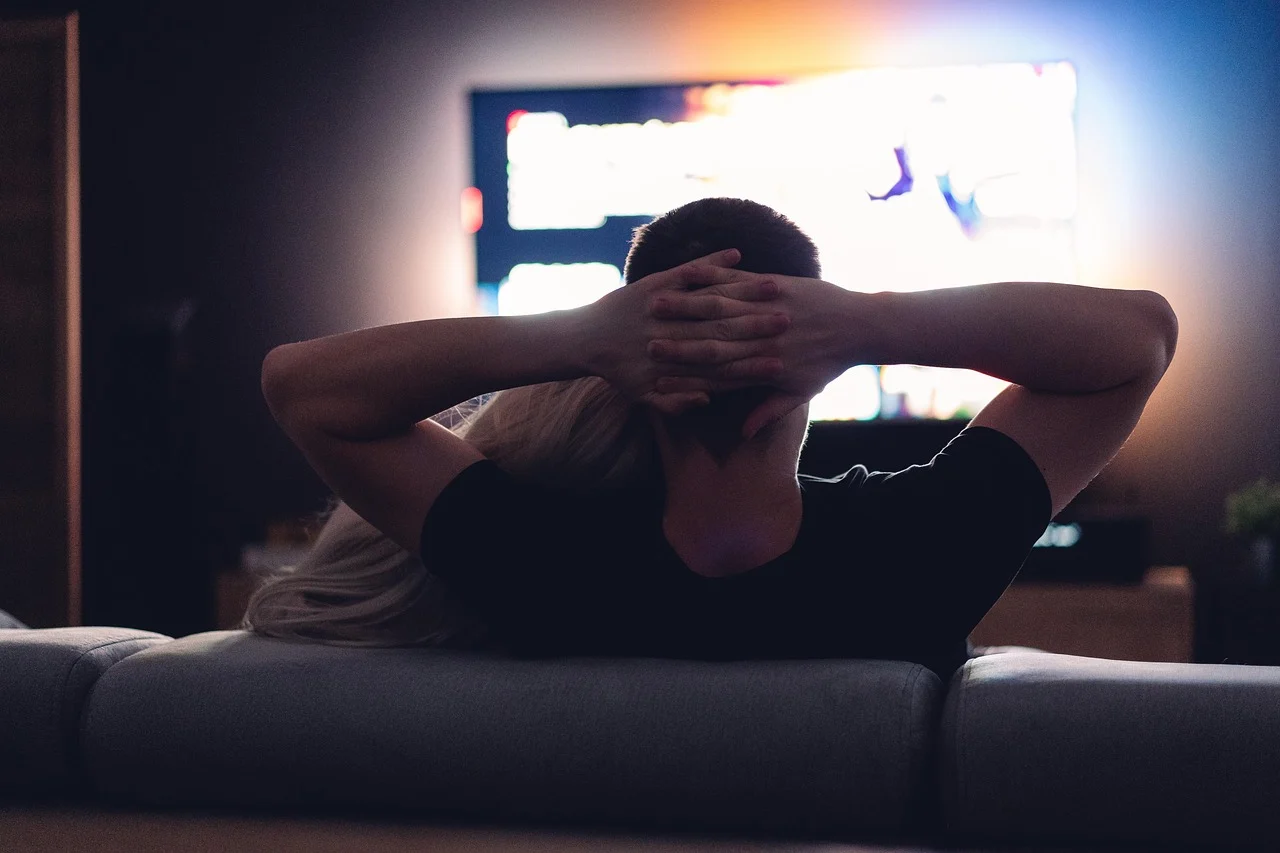
Short answer: a projector gives you a much bigger picture for the money and can disappear when you are not watching, while a TV is brighter, simpler, and better in rooms you cannot darken. If you can control the light in your room and want a cinema-sized image, a projector wins. If you watch mostly in daylight or want zero setup, a TV is the safer choice.
Picture size and cost
Projectors scale up cheaply. A 100-inch or larger image is normal for a home projector, while TVs of that size are rare and expensive. You do need a screen or a suitable wall, which adds some cost, but the price per inch of image still strongly favors projectors.
Brightness and room light
This is the biggest difference. A TV emits its own light, so it looks bright even with sunlight in the room. A projector reflects light off a screen, so ambient light washes out the image. Brighter projectors and ambient light rejecting screens narrow the gap, but in a sunny room a TV still looks better. Our ALR screen guide explains how special screens help.
Contrast and black levels
Modern TVs, especially OLED models, produce very deep blacks. Projectors depend on the room: in a dark room with dark walls, a good projector looks rich and cinematic; in a light-colored room, reflected light lifts the blacks.
Setup and space
A TV goes on a stand or wall and you are done. A projector needs placement planning (throw distance, height, and screen size), plus a mount or shelf, cable runs, and sound. Ultra short throw projectors simplify this by sitting on a cabinet a few inches from the wall.
Sound
Both TVs and projectors usually benefit from a soundbar. Projectors sit near the seating, so built-in projector speakers can sound like they come from behind you. See our projector speaker guide.
Gaming
TVs generally offer lower input lag and higher refresh rates at 4K. Several gaming projectors now publish low input lag figures, especially at 1080p and high refresh rates. Our gaming projector guide lists figures by mode.
Lifespan and maintenance
TVs need almost no maintenance. Lamp-based projectors need replacement lamps over time, while laser and LED projectors are rated for far longer light source life. Dust filters and lens cleaning are occasional tasks.
Which should you choose?
- Choose a projector if you want a very large image, can darken the room, and enjoy movie nights or sports with a group.
- Choose a TV if you watch mostly during the day, want the simplest setup, or need the deepest blacks in a bright room.
- Consider both with a TV for everyday viewing and a projector for movie nights, or an ultra short throw projector with an ALR screen as a TV replacement.
Ready to compare models? Start with our best home projectors guide.
FAQ
Can a projector replace a TV?
In many living rooms, yes, especially an ultra short throw projector paired with an ALR screen. In very bright rooms, a TV is still more practical.
Is a projector bad for your eyes?
Projectors reflect light from a screen rather than emitting it toward you. As with any display, take breaks, and never look directly into a projector’s lens.
Do projectors last as long as TVs?
Laser and LED projectors are rated for long light source lives. Lamp projectors need new lamps periodically, which adds running cost.
About the author
Brandon Russell writes projector reviews and buying guides for ProjectorChannel. He compares projectors, screens, and accessories using manufacturer specifications and documentation, and focuses on the trade-offs that matter in a real room.