What Is a Short Throw Projector? Throw Ratio Explained
Short answer: a short throw projector creates a large image from a short distance, typically a few feet from the...
 By Brandon Russell
Updated November 24, 2026
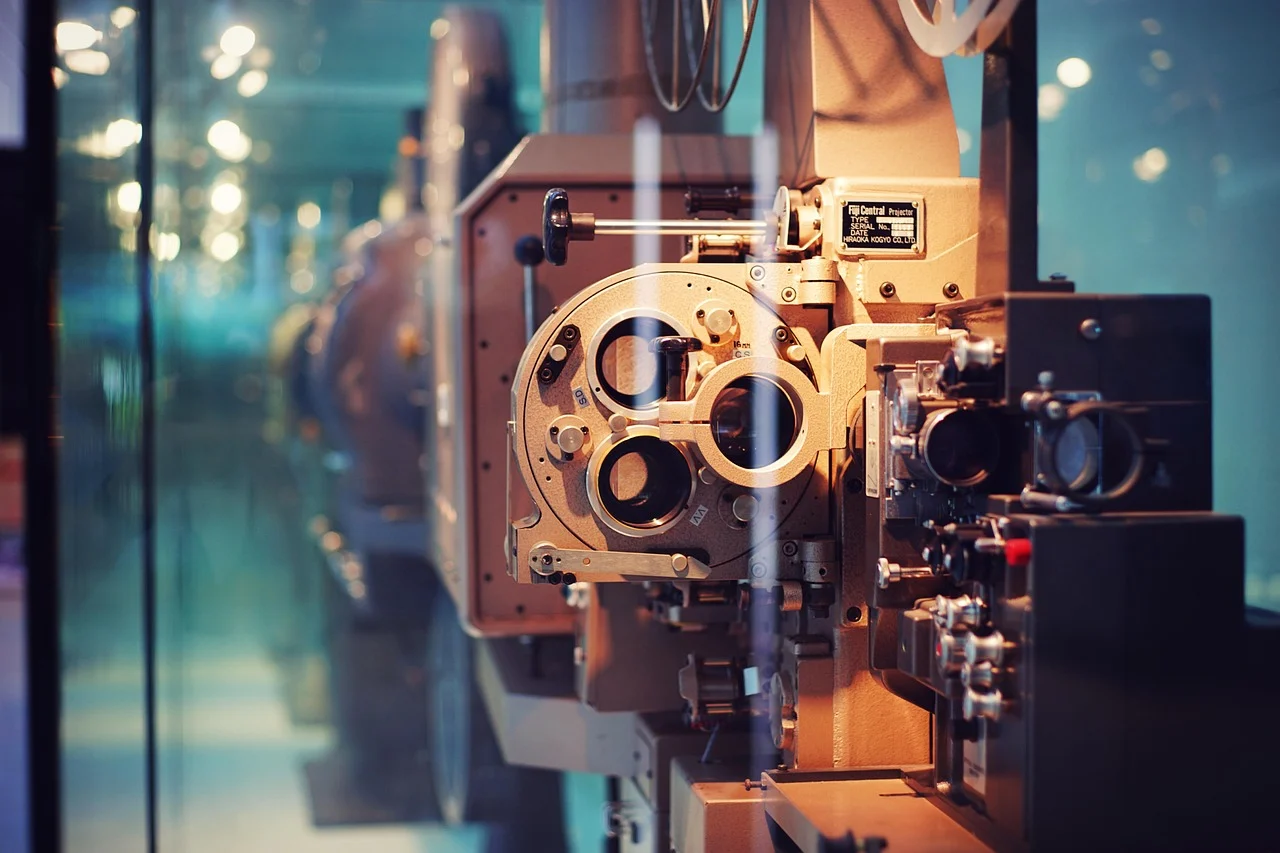
Short answer: a short throw projector creates a large image from a short distance, typically a few feet from the screen. It uses a wide-angle lens with a low throw ratio, so it can sit on a table in front of the seating or mount close to the screen, avoiding shadows and long cable runs.
Throw ratio explained
Throw ratio is the distance from the projector’s lens to the screen divided by the width of the image. A throw ratio of 0.5 means that for every foot of image width, the projector sits half a foot away. So a 0.5 projector needs about 4 feet of distance for an image about 8 feet wide.
- Standard (long) throw: roughly 1.2 and above; needs space behind the seating or a ceiling mount.
- Short throw: roughly 0.4 to 1.0; sits a few feet from the screen.
- Ultra short throw: below about 0.4; sits inches from the wall on a cabinet.
These ranges are general conventions, and manufacturers draw the lines slightly differently.
Advantages
- Fits small rooms: big images in apartments, bedrooms, and game rooms.
- Fewer shadows: people walking or standing in front of the screen rarely block the beam.
- Less glare in the eyes: presenters and gamers are not looking back into the lens.
- Golf simulators: a projector mounted forward of the golfer stays out of the swing and avoids shadows. See our golf simulator projector guide.
Trade-offs
- Screen surface matters more: the steeper angle exaggerates wall texture and screen waves.
- Less flexible lenses: many short throw models have little or no zoom.
- Cost: short throw lenses can add cost compared with similar standard throw models.
Short throw vs ultra short throw
Ultra short throw projectors sit right against the wall, usually on a TV cabinet, and are often sold as TV replacements with built-in apps and speakers. They usually need special ambient light rejecting screens for the best results. Short throw projectors sit a few feet away on a table or ceiling mount and work with standard screens. Compare both in our short throw projector guide and ultra short throw guide.
Is a short throw projector right for you?
Choose one if your room is small, you want to avoid ceiling mounting, you game and do not want shadows, or you are building a golf simulator. If you have plenty of depth behind your seating and want maximum lens flexibility, a standard throw projector may suit you better.
FAQ
How far does a short throw projector need to be from the wall?
It depends on the throw ratio and image size. Multiply the image width by the throw ratio to estimate the distance, and confirm with the manufacturer’s calculator.
Can a short throw projector be ceiling mounted?
Yes. Many are designed for ceiling or wall mounting near the screen. Use a mount rated for the projector’s weight.
Do short throw projectors need a special screen?
Not always, but a smooth, flat screen helps more than with standard throw projectors. Ultra short throw models benefit most from dedicated ALR screens.
About the author
Brandon Russell writes projector reviews and buying guides for ProjectorChannel. He compares projectors, screens, and accessories using manufacturer specifications and documentation, and focuses on the trade-offs that matter in a real room.